
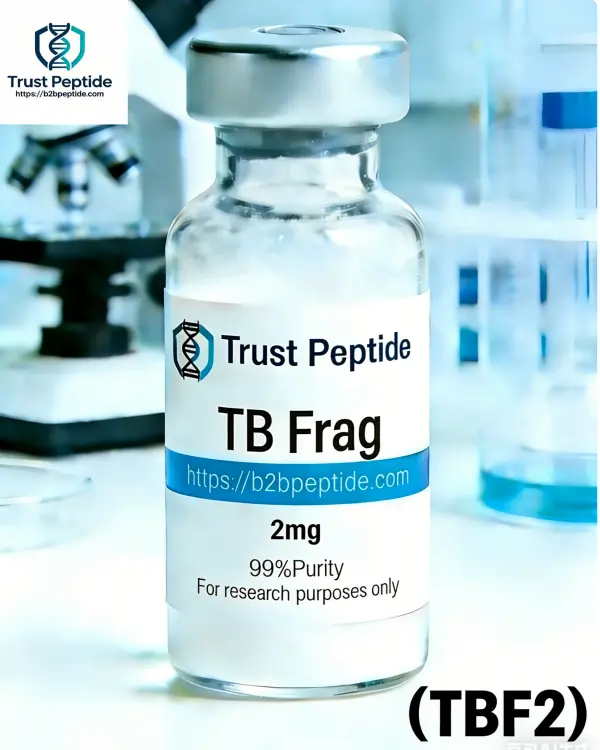
TL;DR: What is TB Frag Peptide?
TB Frag Peptide is a research-based biochemical compound that studies suggest plays a role in tissue repair and cellular regeneration. It is commonly used in advanced research settings, exploring its potential in understanding cellular dynamics and molecular pathways.
Key Research Benefits
Studies indicate that TB Frag Peptide may support the following research areas:
- Investigation of tissue repair mechanisms
- Exploration of cellular regeneration pathways
- Research into anti-inflammatory processes
- Study of neurogenesis and related brain functions
Mechanism of Action (Simplified)
TB Frag Peptide functions by interacting with specific cellular receptors that may promote repair and regeneration activities. Research indicates it could influence signaling pathways, facilitating processes such as reduction of inflammation or stimulation of targeted cellular responses. Its ability to cross biological barriers suggests potential for multi-tissue applications.
Technical & Storage Specifications
The following table details the technical and storage requirements for TB Frag Peptide:
| Specification | Details |
|---|---|
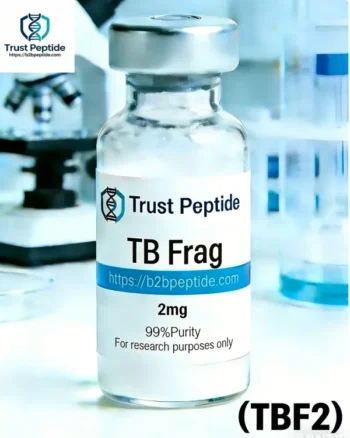
| Purity | >99% |
| Appearance | White Lyophilized Powder |
| Storage | Store in a cool, dry place at -20°C until reconstitution |
Frequently Asked Questions
1. What is the difference between TB Frag and full-length TB Peptide?
TB Frag consists of a specific fragment of the full-length TB peptide optimized for targeted research applications. It focuses on specific pathways, whereas the full-length version may have broader applications.
2. How should TB Frag Peptide be stored after reconstitution?
After reconstitution, it should be stored at 4°C for short-term use or frozen at -20°C for longer periods to maintain stability and integrity.
3. Is third-party testing (CoA) available for this peptide?
Yes, every batch of TB Frag Peptide comes with a Certificate of Analysis (CoA) to ensure quality, purity, and consistency for research purposes.


1 review for TB Frag