
TL;DR
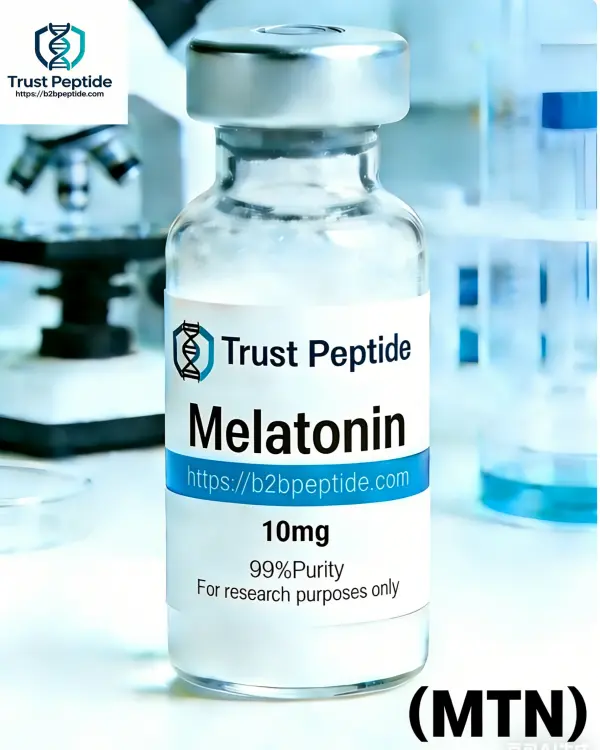
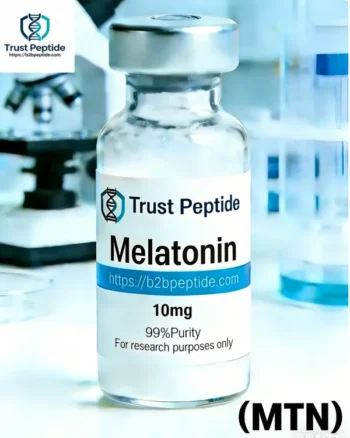
Melatonin Peptide is a bioactive compound studied for its role in sleep regulation and its potential neuroprotective properties. Research indicates its relevance in advancing areas such as cognitive enhancement and circadian rhythm modulation.
Key Research Benefits
Studies suggest that Melatonin Peptide offers several functional benefits, including:
- Promotes healthy sleep cycles by interacting with circadian rhythm pathways.
- Exhibits neuroprotective potential in preclinical models.
- Supports cognitive function and may enhance memory formation.
- Increases resilience to oxidative stress within neural tissues.
Mechanism of Action (Simplified)
Research indicates that Melatonin Peptide interacts with melatonin receptors MT1 and MT2, which modulate circadian processes in the brain. The peptide’s ability to cross the blood-brain barrier (BBB) enables its action within the central nervous system, supporting neurophysiological functions and protecting neural pathways from degenerative stressors.
Technical Specifications
Refer to the table below for detailed technical and storage information:
| Specification | Details |
|---|---|
| Purity | >99% |
| Appearance | White lyophilized powder |
| Storage Requirements | Keep at -20°C prior to reconstitution; store at 2-8°C after reconstitution |
FAQ
1. What is the difference between P21 and P021?
P21 and P021 describe distinct peptides known for their neuroprotective activity, but they vary in structure and functional specificity. Clarify product documentation for distinctions.
2. How should it be stored after reconstitution?
To maintain stability, store the reconstituted Melatonin Peptide in sterile conditions at 2-8°C and avoid repeated freeze-thaw cycles.
3. Is third-party testing (CoA) available?
Yes, third-party testing, including a Certificate of Analysis (CoA), is available to verify product quality and purity.



1 review for Melatonin
There are no reviews yet.